
Does an Insurance Company Have a Duty to Settle an Oregon Construction Accident Lawsuit?
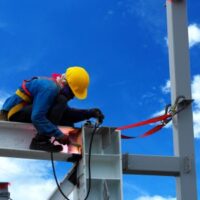
Construction accidents can be caused by third parties not directly related to the underlying construction activities. For example, if a crew is working on a highway where traffic is still active around the job site, there is always the risk of a car or commercial truck hitting a worker. While Oregon workers’ compensation will provide such injured employees with medical and income replacement benefits from their employer, the victim is still free to pursue a third-party personal injury claim against the negligent driver–and their insurance company.
Insurance Companies Refused to Settle Claim After Fatigued Trucker Killed Construction Worker
Insurance companies will often settle these kinds of personal injury claims when they know their insured driver was at-fault and they are facing an experienced personal injury lawyer. But not always. A federal judge here in Oregon recently weighed in on just such an insurance dispute. This case, Davis v. American Alternative Insurance Company, involved a fatal accident at a highway construction site caused by a commercial truck.
The accident took place in June 2017. Ronald Davis and Antonio Bahena were employees of a company hired to perform construction work on I-5. While working an early-morning shift, a 26,000-pound commercial truck struck both men, killing Davis and seriously injuring Bahena. A subsequent investigation determined the accident occurred because the truck driver fell asleep at the wheel.
Bahena filed a personal injury lawsuit against the truck driver’s employer. Davis’ estate filed a wrongful death claim against the same company. The truck company had a commercial liability insurance policy with American Alternative Insurance Company (AAIC) and an umbrella policy with Princeton Excess and Surplus Lines Insurance Company.
Both insurance companies entered settlement talks to resolve the Bahena and Davis Estate claims. Bahena settled. The Davis Estate did not and proceeded to trial. The estate ultimately obtained a judgment for nearly $16 million against the trucking company, which far exceeded the limits of the combined AAIC and Princeton policies. The trucking company assigned its rights under those policies to the estate, which in turn filed a breach of contract and bad-faith claim against both insurers in federal court.
In an August 2025 decision, the judge overseeing the federal case dismissed the estate’s claim for express breach of contract. This claim alleged that the insurance companies violated their duties to settle the estate’s personal injury claims against their policyholder. The judge said there was no such duty under the policies, which only required the insurers to “defend the insured against a suit seeking damages,” which they did.
The judge did, however, allow the estate to proceed with a separate claim alleging the insurers acted in bad faith when they refused to settle “when it was reasonable to do so.” In other words, while the insurance policies did not create an express duty to settle, the insurers may still have violated an implied duty made to the policyholder that they would reasonably settle a valid personal injury claim.
Contact a Portland Personal Injury Lawyer Today
Even in cases where a policyholder’s negligence is beyond dispute, insurance companies may still throw up significant roadblocks to settling with the victims or their estates. That is why you need to work with a qualified Portland personal injury attorney who can advocate your interests. Contact Rosenbaum Law Group, PC, today at 503-288-8000 to schedule a free consultation.
Source:
scholar.google.com/scholar_case?case=7803684999312985293
