
Helmet Laws, Comparative Fault, and Motorcycle Accident Settlements in Oregon
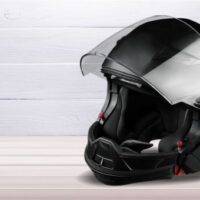
If you were riding without a helmet when a driver hit you, does that wreck your entire claim? Not necessarily, but it can shrink what you ultimately recover. At Rosenbaum Law Group, PC, we handle motorcycle accident cases throughout Portland, and this question comes up. The answer depends on how Oregon’s comparative fault rules interact with the state’s helmet requirement, and is not on a simple yes or no.
What Oregon’s Helmet Law Actually Requires
Oregon law, specifically ORS 814.269, makes it an offense for a motorcycle operator to ride without a helmet meeting approved safety standards. This is a standalone traffic violation. Riding without a helmet can result in a citation regardless of whether an accident ever happens. The bigger question for injury claims is not whether a ticket gets issued, but whether the missing helmet becomes a factor once a crash occurs and the rider gets hurt.
How Comparative Fault Changes the Math on a Settlement
Oregon follows a modified comparative negligence system under ORS 31.600. Under this rule, an injured person can still recover damages if their own share of fault does not exceed the other party’s, but their compensation gets reduced by whatever percentage of fault a jury assigns to them. So if a rider is found 20 percent at fault for their injuries, their total recovery gets reduced by that same 20 percent.
This matters for motorcyclists because insurance companies frequently look for any argument to try and reduce what they owe. If a brain or head injury is involved, a missing helmet is often one of the first things an adjuster argues.
Where a Missing Helmet Actually Fits Into a Claim
Here is the distinction that matters most: not wearing a helmet does not typically affect who caused the crash itself. A driver who runs a red light and hits a motorcyclist is still the one who caused the collision. What a missing helmet can affect is the extent of certain injuries, and only in specific circumstances. Insurers may try to argue that:
- Head or facial injuries would have been less severe with a helmet
- The rider’s own conduct contributed to the extent of their harm
- A percentage of fault should apply specifically to those injuries, not to the crash itself
Whether these arguments actually hold up depends heavily on the medical evidence in a specific case, not just the fact that a helmet was missing. Insurance adjusters sometimes stretch this argument further than the law actually supports, using a missing helmet to try to shift blame for the entire crash rather than just a portion of the injuries. Understanding where that line sits can make a real difference in how a settlement negotiation unfolds, particularly when significant injuries are involved.
Contact Our Portland Motorcycle Accident Attorneys
Motorcycle accident claims involving helmet use and comparative fault arguments can get complicated fast, and insurance companies know exactly which arguments to raise. If you were injured in a motorcycle crash in the Portland area, we encourage you to reach out. Contact Rosenbaum Law Group, PC today to speak with our Portland motorcycle accident attorneys about your case.
Source:
oregon.public.law/statutes/ors_31.600
